

ISOFAN
Energy savings
through air circulation.
Why our solution?
Next step
See Fan Use Cases
See where the solution works best: warehouses, production facilities, workspaces, and other large spaces.
Go to Use CasesDownload Fan Brochure
Get the technology, benefits, and use cases all in one PDF brochure.
Download Air Circulation BrochureBackground
After nearly 20 years working with large warehouses on various production and energy efficiency projects, we have encountered the same recurring problems in almost every facility — related to ventilation distribution and heating/cooling methods.
Systems
HVAC systems have evolved, but they are often complex and expensive.
Technology
Our technology for improving air circulation is very traditional — but operates at a completely different scale with entirely different products. Its simplicity and straightforwardness have been inspiring.
Goal
The primary goal of our technology is to improve building conditions while generating cost savings — making the system a worthwhile investment even without factoring in the improved conditions.
Solution
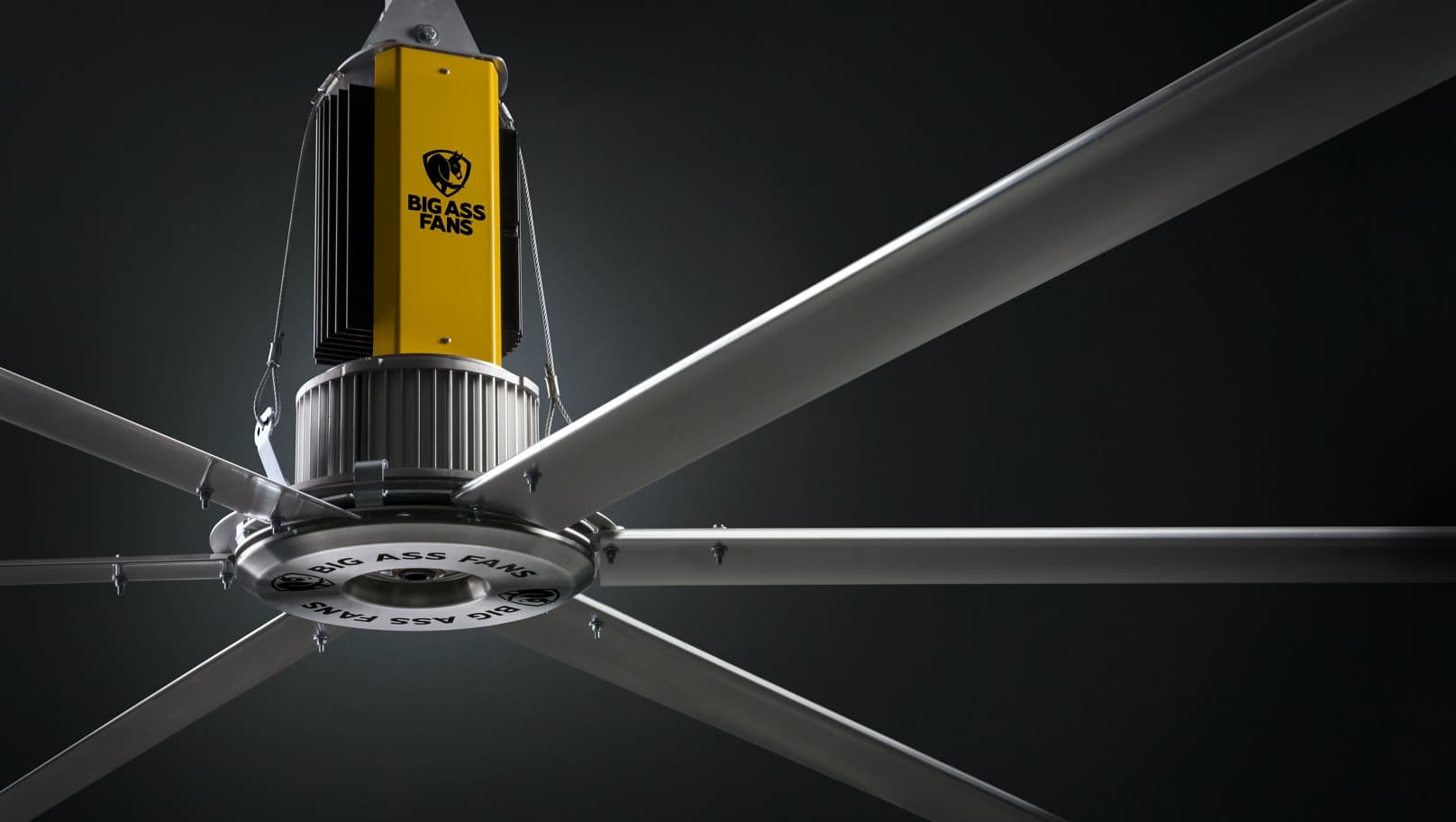
Our solution ensures consistent air circulation with slow movement and large air volumes. Large fans move heat and air to where they are needed — at significantly lower energy consumption.
Products
Our products are commonly used in warm climates, but only for cooling. In northern climates, their benefits are even greater due to cold winter months.
Quality
The equipment we import has been carefully selected from the best manufacturer on the market.
In our view, air circulation should be considered from the very beginning of building design — to reduce the cost and complexity of building systems and to ensure good conditions.
.jpg&w=3840&q=75)
IN WINTER
In winter, as air temperature differences increase, the fan enhances heater performance by reducing heat losses through the roof and upper walls by up to 30–40%.
Read moreShow less
It equalizes temperatures from floor to ceiling — often to within just one degree of difference. Shortcomings in ventilation air distribution are corrected, and air circulates evenly, keeping spaces at a consistent temperature and dry. At the same time, stuffiness decreases significantly and heater output increases, distributing heat more efficiently to exactly where it is needed. In buildings with forced-air heating in particular, high supply air temperatures can be fully utilized without heat escaping to the upper parts of the building.

IN SUMMER
In summer, as air warms, the fan mixes the air and improves comfort for both people and animals. Moving air feels 3–5 °C cooler than still air, as it enhances heat evaporation from the skin.
Read moreShow less
This helps maintain work productivity, which would otherwise decline significantly due to elevated temperatures. The fan also reduces the need for cooling in spaces where cooling is only needed during summer heat. It also makes cooling feasible in large spaces where the investment cost of traditional cooling would be prohibitively high.
SUPPORTING HVAC SYSTEMS
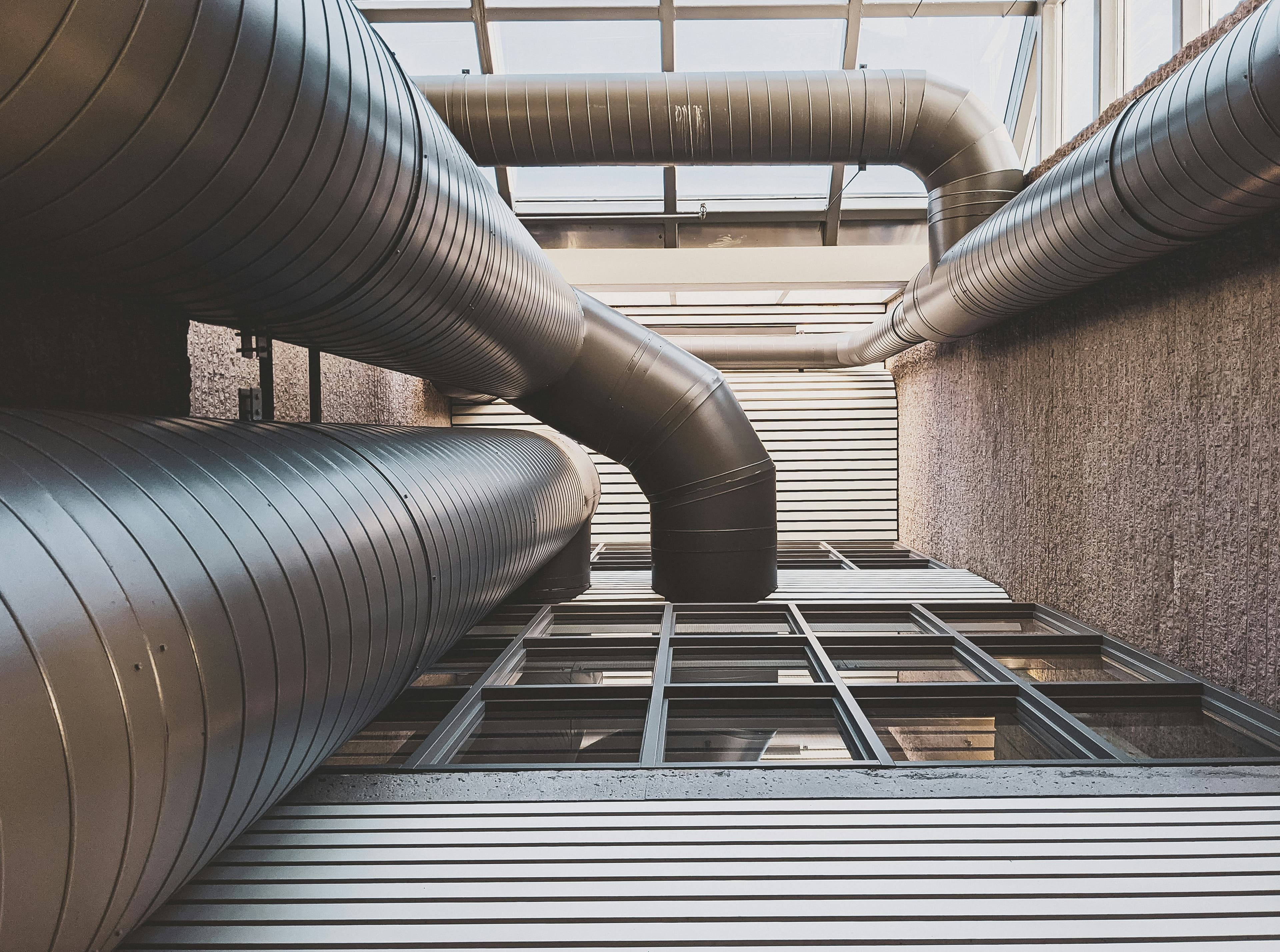
Supporting HVAC systems, the fan enables simplification of ventilation ductwork, as air no longer needs to be ducted evenly to different parts of the space.
Read moreShow less
This reduces ductwork investment costs — especially in new construction — and decreases ventilation fan energy consumption as duct lengths shorten. At the same time, SFP values (Specific Fan Power) improve, enabling the use of smaller duct sizes.
In addition, heat output from heating systems is enhanced, improving energy efficiency and thermal comfort. Ventilating the large amounts of CO₂ in public spaces generally cannot be achieved at occupancy height, as CO₂ sinks below the surrounding air. Air circulation reduces the need for supplemental ventilation by air handling units to a fraction.