
TEMPERATURE STRATIFICATION
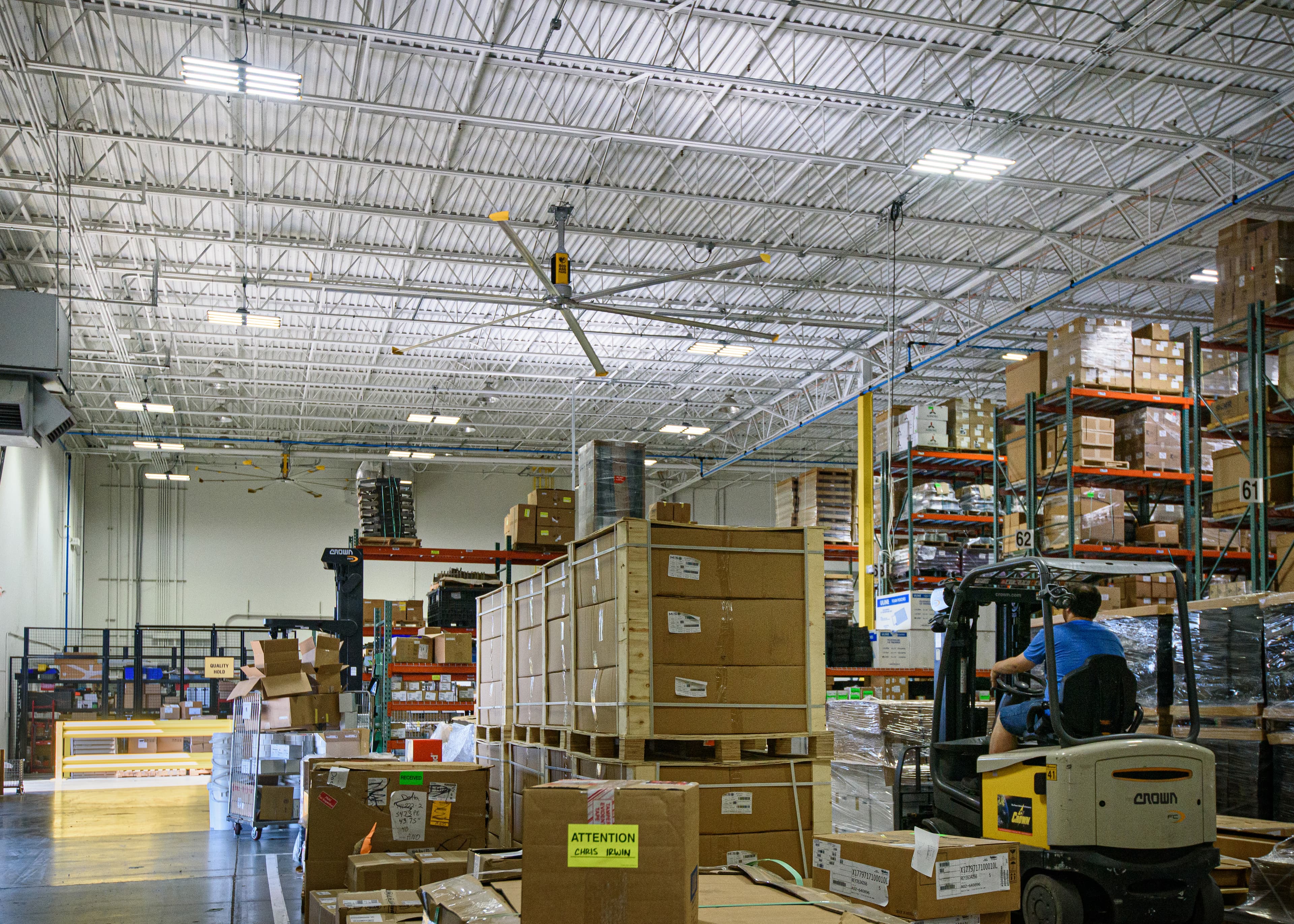
Heat stratifies strongly, and the temperature below the ceiling is often significantly higher.
Stratification approximately 0.5–1 °C/m
Roof heat loss increases approximately 30%
Heat goes where it is needed
Our industrial fans and ceiling fans are suitable for many different applications. Fans improve air circulation, balance conditions, and reduce heating and cooling costs.

Heat stratifies strongly, and the temperature below the ceiling is often significantly higher.
Stratification approximately 0.5–1 °C/m
Roof heat loss increases approximately 30%
Heat goes where it is needed
Temperatures remain stable in early summer, but later they rise and the air stagnates, creating stuffy conditions. Installing cooling is often prohibitively expensive.
Cooling large facilities is expensive
The cooling season in the north is often very short
The solution delivers benefits in both summer and winter
For energy savings, air handling units often supply only a minimum amount of air, which reduces even air distribution in the space.
Consistent air distribution
Drier indoor environment

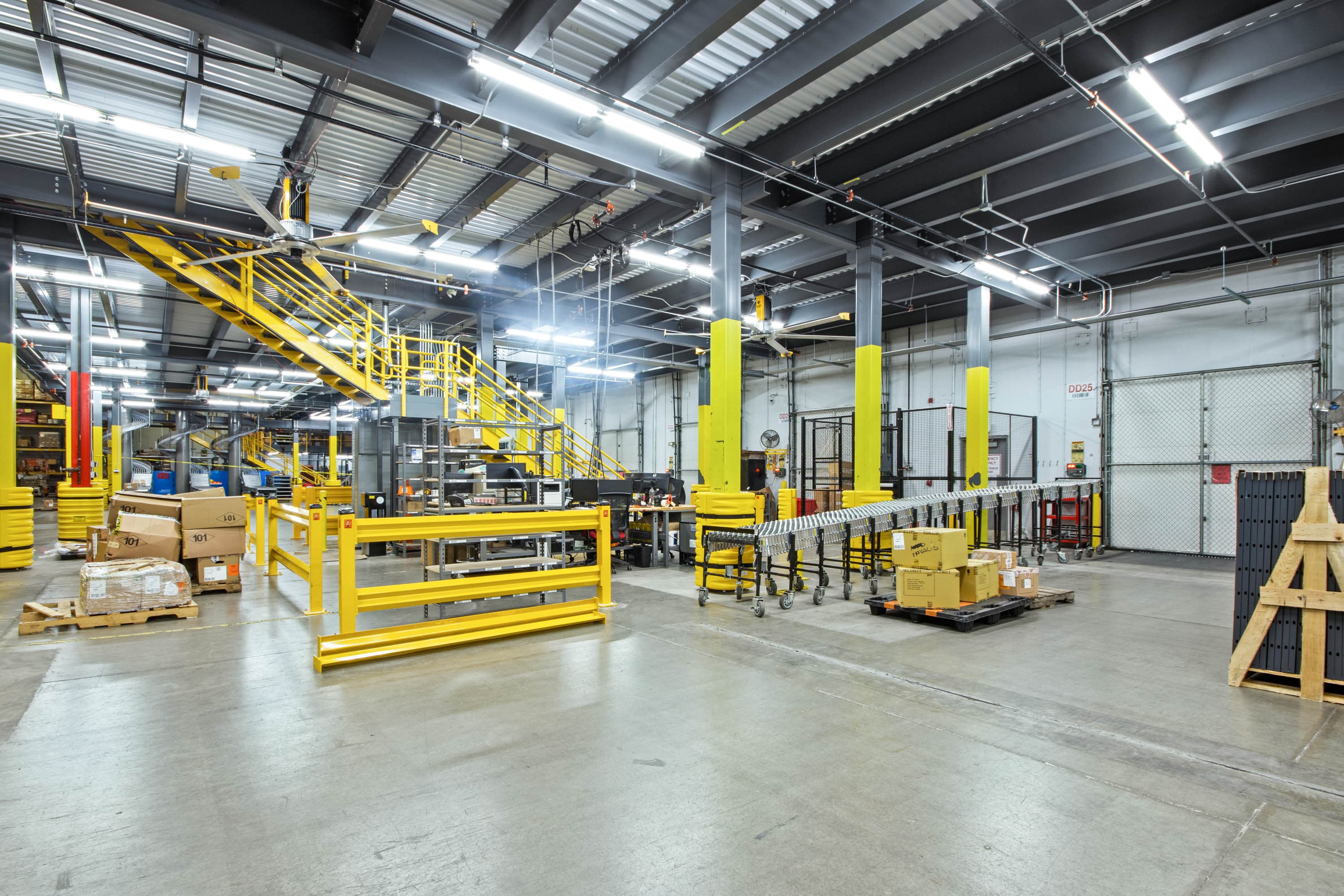
Heat stratification is strong due to the high temperature levels of machining equipment. In many cases, production spaces would hardly need heating at all if all heat from production equipment could be distributed evenly to work areas.
Heat goes where it is needed
Reduces heating costs
Production facility temperatures often remain good in winter as equipment generates heat. As outdoor temperatures rise, production heat loads increase indoor temperatures and high temperatures become a problem.
Air movement reduces the need for cooling
Moving air feels 3–5 °C cooler
Ventilation ductwork is often inadequate for production needs. Air stagnates and heat-generating machines suffer from high temperatures. Gases and vapors from welding and metalworking accumulate at certain heights.
Consistent air circulation removes uneven heat buildup
Improves operating conditions for equipment

Systems operating at high temperatures increase temperature stratification. Heat rises quickly into roof structures, and temperature differences between working height and the ceiling can exceed 20 °C.
Stratification approximately 0.5–1 °C/m
Roof heat loss increases approximately 30%
Heat goes where it is needed
Temperatures remain stable in early summer, but later they rise and the air stagnates, creating stuffy conditions. Installing cooling is often prohibitively expensive.
Moving air feels 3–5 °C cooler
Improves work productivity and comfort
For energy savings, air handling units often supply only a minimum amount of air, which reduces even air distribution. Recirculating indoor air to boost circulation is common but worsens indoor air conditions.
Consistent air distribution
Drier environment

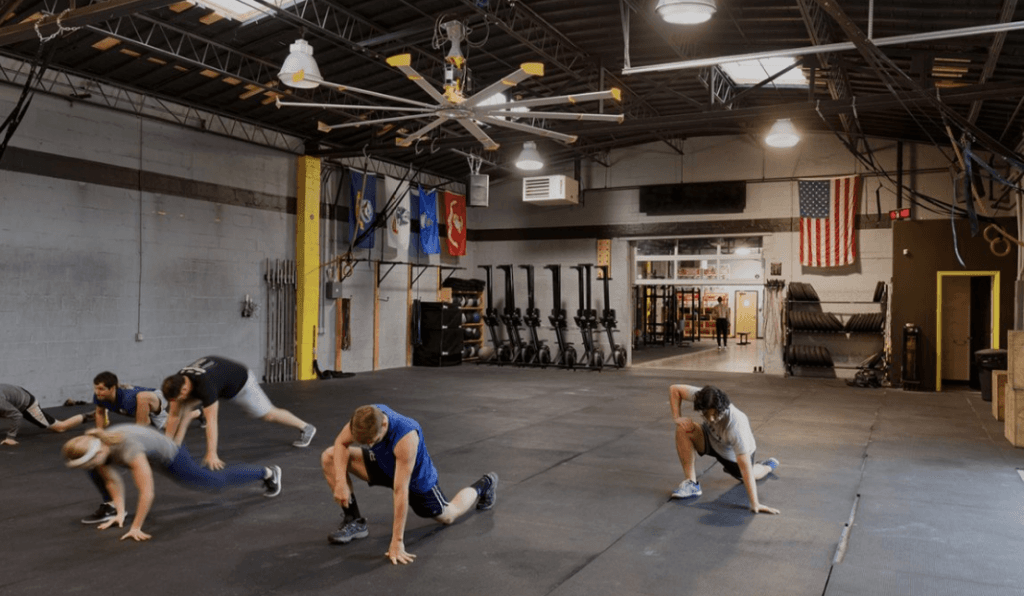
Sports facilities are often tall buildings where high temperatures are maintained during winter. Heat stratification is strong and building heat losses are high.
Roof heat loss increases approximately 30%
Reduces space heating consumption
Cooling large sports facilities is often very expensive due to their large floor area. Air easily stagnates and exercising in excessive heat is extremely demanding.
Air movement reduces the need for cooling
Moving air feels 3–5 °C cooler
Conditions in gyms and sports facilities are often stuffy and the air feels stagnant. Distributing ventilation evenly across large sports spaces is technically challenging.
Consistent air movement throughout the sports facility
Reduces perspiration and improves endurance

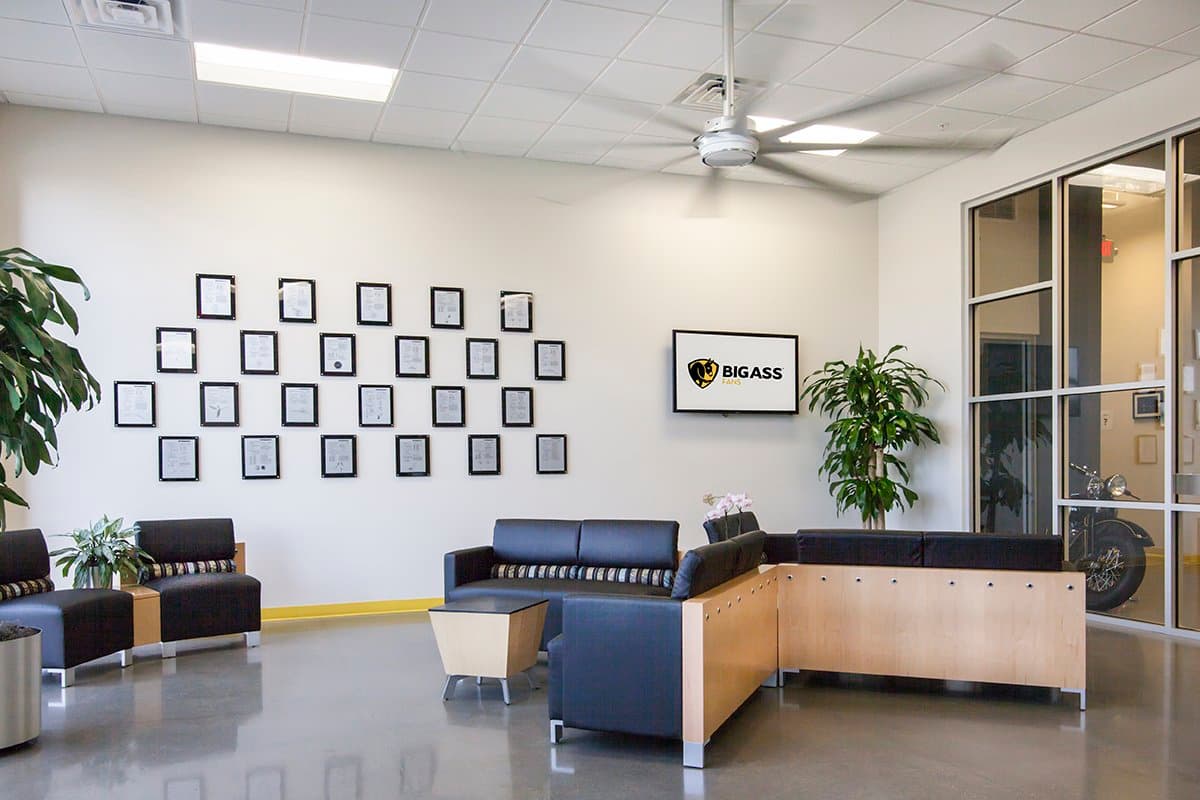
Modern offices and commercial spaces often feature open-plan layouts and atriums. Glass facades and atriums in tall office buildings introduce large heat loads when the sun shines. As heat rises into atriums, open office areas — especially on upper floors — tend to become warm.
Balances temperature levels throughout the building
Reduces heating demand and costs
Improves summer conditions at workstations